
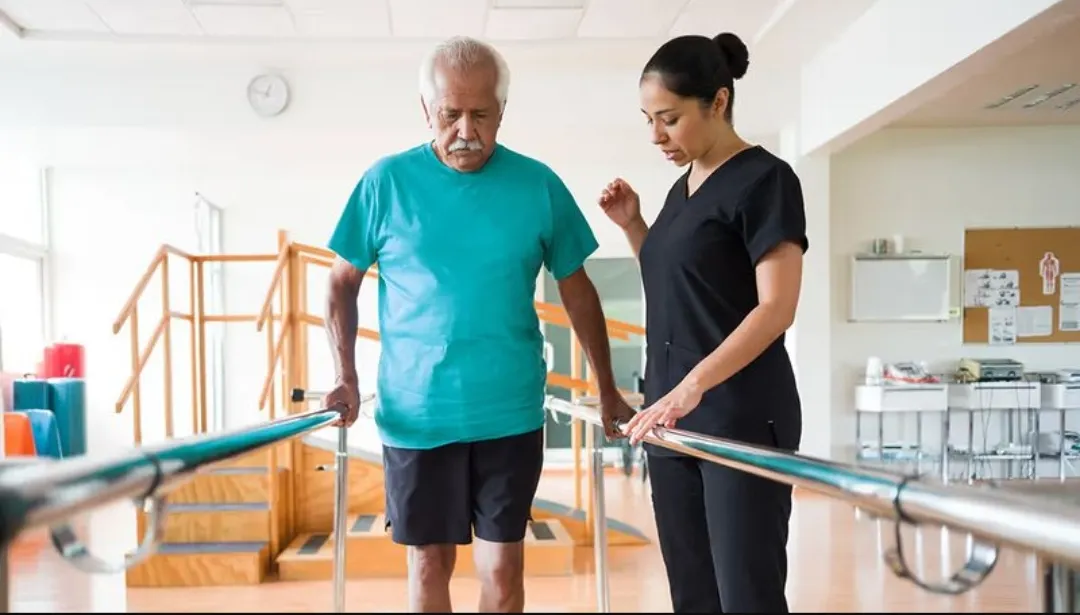
What does physiotherapy do for recovery from heart disease and stroke?
This event marks the start of an important four-year global campaign by World Physiotherapy to raise awareness of non-communicable diseases (NCDs), cardiovascular disease (CVD) and stroke rehabilitation. It emphasizes the importance of organized physical activity and rehabilitation in maintaining long-term mobility, balance, and independence.
The continued high mortality from heart and blood vessel diseases in the world stresses the need for customized, evidence-based and multidisciplinary care pathways. Physiotherapy, as well as medicine and surgery, is an essential part of cardiac recovery to help patients safely return to active, independent and fulfilling lives.
Author: Bruce Benson
The original article is on Medium
What is Heart Disease (CVD)
Cardiovascular disease is a large group of conditions that affect the heart and blood vessels. It includes peripheral arterial disease, coronary artery disease (CAD) and stroke.
Specialized physiotherapy has an important role in rehabilitation at all levels of care, from short-term hospital stay, and recovery after surgery, to return to community and long-term secondary prevention.
Signs Top:
Chest pain: angina, pressure, fullness or squeezing in the center of your chest, especially when you exercise.Watch for health issues
Shortness of breath. Dyspnea may occur with normal activity or, in the worst case, at rest.
Chronic Fatigue: feeling tired all the time, less endurance, less physical stamina.
Radiating pain is pain that can travel to the upper back, shoulder, arm, neck, jaw or jaw.
Autonomic Signs Involved Cold sweating Dizziness Nausea Or feeling of about to pass out
Some people may have 'silent ischemia' in that they do not have clear symptoms before having an acute myocardial infarction.
Principal Risk Factors
Hypertension: High blood pressure in the arteries that remains elevated and can damage the arteries over time.
Dyslipidemia is defined as high LDL cholesterol and/or high triglycerides and/or low HDL cholesterol.
*Metabolic Syndrome and Diabetes: Problems with glucose control and other metabolic problems that worsen atherosclerotic disease.
Tobacco Use: Smoking and other tobacco products damage endothelial cells and increase risk for thrombosis.
Extended periods of inactivity and insufficient levels of regular physical activity. Obesity and a Lack of Physical Activity:
Nutritional imbalance is seen in diets high in trans fats, refined sugars and sodium.
You can't change some risks, such as getting older or having a family history of heart disease that starts early.
Standard of care in medical and surgical problems
Lifestyle Optimization: quitting smoking, eating foods healthy for your heart and getting regular physical activity.
Risk-Factor Control: Properly managing blood sugar, LDL cholesterol, and blood pressure according to doctor’s orders.
Pharmacology: Different conditions may be treated using statins, antiplatelet drugs, beta-blockers, ACE inhibitors and antianginal drugs.
Revascularization: coronary artery bypass grafting (CABG) or percutaneous coronary intervention (PCI/stenting), if necessary, according to doctors.
The role of physiotherapy in heart rehabilitation
Exercise-based cardiorehabilitation (CR) is a central part of heart recovery. Physiotherapists assess, prescribe, supervise and progressively enhance rehabilitation from the hospital to independent living in the community.
Complete Evaluation: Establishing the baseline functional and exercise capacity, reviewing pertinent clinical information, and determining any musculoskeletal or other limitations that could make rehabilitation more difficult.
Targeted Exercise Prescription: Development of an individualized exercise program based on the FITT principle (Frequency, Intensity, Time, and Type) and including aerobic exercise, progressive resistance training, and flexibility work as appropriate.
Hemodynamic Monitoring: Monitoring symptoms, heart rate, blood pressure, oxygen saturation and Rating of Perceived Exertion (RPE) for safe progression.Urgent Care Plan
Cardiovascular education: giving patients useful information to change their lifestyle, save energy, exercise safely and take care of themselves in the long run.
Managing Symptoms and Respiratory: Use pacing, energy saving strategies and correct breathing techniques to manage shortness of breath and exercise intolerance as well as ensure cardiac symptoms are identified and managed safely.
Psychosocial support: reassurance, kinesiophobia (fear of movement), confidence for safe physical activity.
Epidemiology of CAD in Jammu and Kashmir
Kashmir Valley Studies: The Population based epidemiological research mentioned in the draft revealed that CAD/CHD was prevalent in 7.54 per cent people (8.137 per cent in cities, 6.70 per cent in rural areas, 7.8 per cent among men and 6.60 per cent among women).
Jammu Region: The draft states that there have not been many full-population clinical surveys conducted in Jammu region so far.
Autopsy Pathology Evidence: A study in Government Medical College (GMC), Jammu on 232 heart specimens after death of the person found 37.5% cases of coronary atherosclerotic lesions (43.24% males and 14.89% females).
Heart health: Lifestyle advice is key
Slow controlled diaphragmatic breathing is the way to calm yourself down . To relax and breathe intentionally . Relaxed natural breathing may be one part of larger strategies for stress management and health.
Get up and move more and sit less during the day. Activity and step goals for each person should be attainable, aimed at improvement and based on their current function and medical guidance.
Balanced Nutrition: Eating a well-rounded diet with the right sources of protein helps keep your muscles healthy, feel full and keep your metabolism in good shape.
When to Eat: Avoid large meals before you go to sleep, especially if they disrupt your sleep or make your reflux worse. Meals should be adjusted according to the individual's needs and medical advice.
Restorative Sleep: Make sure you get enough normal restorative sleep as an important part of heart health and recovery.
Strength Training Use progressive resistance exercise to improve muscle strength, functional capacity, bone health and metabolic health when clinically appropriate. Each person has their own individual frequency and intensity.
Healthy Sleep Routine: No too much screen time right before bed and have a consistent sleep routine for better sleep.
Caffeine & Hydration: Stay hydrated and limit caffeine intake, especially in the afternoon and evening if it keeps you up at nite or causes heart palpitations.
Connect with others. Stay close with family, friends and people in your community. Support from others can be good for your mental health and help you maintain healthy habits.
Routine clinical screening: Regular health screening as recommended, including blood sugar, lipid profile, blood glucose (HbA1c) and other important clinical parameters.
Stress Management: Engage in long-term stress reduction strategies such as mindfulness, relaxation techniques, enjoyable hobbies, spending time with friends and family, and spending time outdoors.